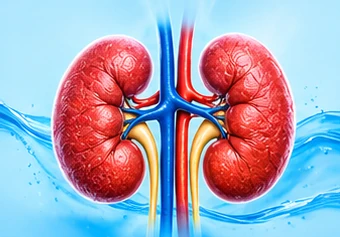
Sodium & Kidney Health
Sodium and the kidneys are closely connected because the kidneys help regulate sodium and fluid in the body. When kidney function is impaired, managing sodium can become especially important.
This page explains the connection between sodium, fluid balance, blood pressure, and kidney health. It does not provide an individual sodium limit or treatment plan.
How Sodium and the Kidneys Are Connected
Sodium is a mineral that helps control the amount of fluid in the body, and the kidneys play a central role in maintaining that balance. The National Institute of Diabetes and Digestive and Kidney Diseases (NIDDK) describes sodium as the mineral that “helps control the amount of fluids in your body.” When sodium intake is too high, NIDDK explains, it “causes your blood to retain — or hold on to — fluids.”
In other words, the amount of sodium in the diet can directly affect how much fluid the body holds. The kidneys regulate that balance, filtering sodium and adjusting how much is retained or excreted depending on what the body needs.
Sodium, Fluid Retention and Blood Pressure
The kidney connection extends to blood pressure. NIDDK states that when the body retains fluids, it “can cause high blood pressure and swelling, putting stress on your kidneys and heart.” The fluid that sodium causes the body to hold onto does not only affect how a person feels — it can create additional strain on the organs that manage it.
The FDA describes the mechanism directly: sodium attracts water, and a high-sodium diet draws more water into the bloodstream, which can increase blood volume and subsequently blood pressure. The FDA also notes that uncontrolled high blood pressure can raise the risk of heart attack, heart failure, stroke, kidney disease, and blindness.
When Kidney Function Is Impaired
When the kidneys are not functioning normally, managing sodium can become more complicated. NIDDK states that many people with chronic kidney disease (CKD) “need to limit their sodium even more” than the general population guideline. Importantly, NIDDK also says that a health care professional can “determine your sodium limit, based on your kidney health” — recognizing that the appropriate amount varies from person to person depending on their individual circumstances.
The CDC similarly explains that for people with kidney disease, eating less sodium will help lower blood pressure and decrease fluid buildup in the body, which is common in kidney disease.
The right sodium intake for someone with kidney disease is therefore not a single fixed number. It depends on the person’s kidney function and other circumstances, and a general reference value should not be treated as a personal prescription.
What Reducing Sodium Can Do
The CDC states that eating less sodium can help lower blood pressure and decrease fluid buildup in people with kidney disease. The National Kidney Foundation similarly explains that when kidneys are not working well, excess sodium and fluid can build up in the body.
The American Heart Association notes that excess sodium may put people at risk for kidney disease and kidney stones, among other conditions — identifying these as associations rather than guaranteed outcomes.
These statements describe associations and effects identified by the organizations. They do not mean that every person who consumes more sodium will develop kidney disease, or that reducing sodium can reverse existing kidney disease.
Sodium Recommendations and Kidney Disease
For the general adult population, My Sodium Today uses the FDA Daily Value of 2,300 mg of sodium per day as its primary tracking reference. That number is a Daily Value for healthy adults — not an individualized kidney-disease prescription.
NIDDK notes that while adults are generally advised to limit sodium to no more than 2,300 mg per day, many people with CKD need to limit their sodium even more, and that a health care professional can determine the appropriate limit based on an individual’s kidney health.
What My Sodium Today Tracks
My Sodium Today lets you record the sodium in the foods and meals you eat and see your intake in milligrams and as a percentage of the FDA Daily Value for adults.
The app does not diagnose kidney disease, determine kidney function, or calculate an individualized sodium limit.
If you have kidney disease, are receiving dialysis, or have been given a sodium limit by a health care professional, use the guidance provided by your health care team.
Bottom Line
Sodium and kidney health are connected through the body’s regulation of sodium and fluid. Too much sodium can contribute to fluid retention and increased blood pressure, and when kidney function is impaired, the kidneys may have more difficulty maintaining that balance. Many people with chronic kidney disease are advised to limit sodium more closely than the general population guideline.
The appropriate sodium intake for someone with kidney disease is individual. A health care professional can determine the appropriate limit based on kidney health and other factors.
Sources
- National Institute of Diabetes and Digestive and Kidney Diseases (NIDDK) — Healthy Eating for Adults with Chronic Kidney Disease
- U.S. Food and Drug Administration (FDA) — Sodium in Your Diet
- Centers for Disease Control and Prevention (CDC) — Diabetes and Kidney Disease: What to Eat?
- American Heart Association (AHA) — Effects of Excess Sodium
- National Kidney Foundation — Sodium and Chronic Kidney Disease
See References for the specific documents and links.